Bukkuram Estate
In the early 1980s, Marco De Bartoli was captivated by a rugged and luminous land: Pantelleria. An island where vines grow against the wind and where Zibibbo has been cultivated for centuries.
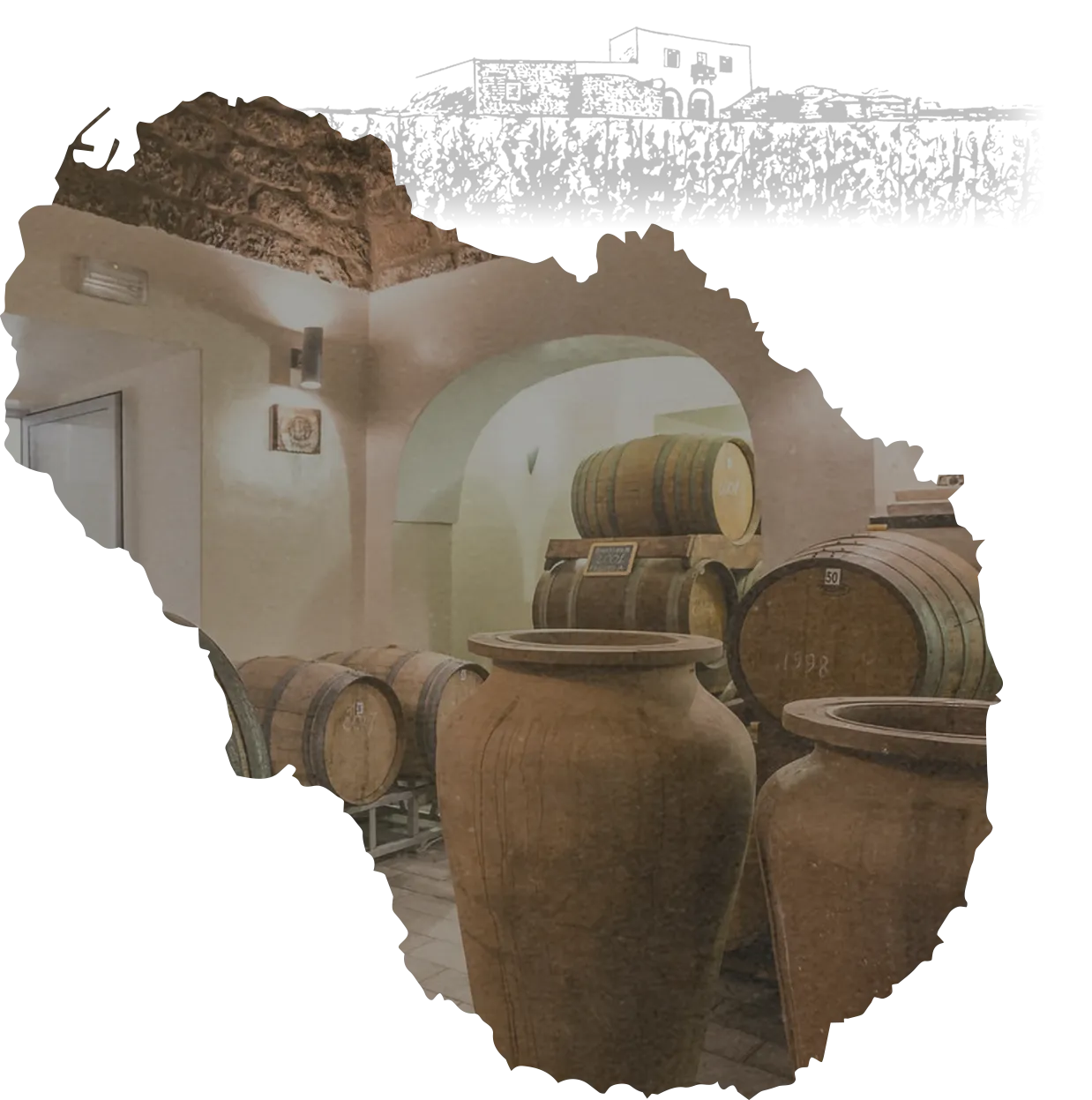
It is here, in the Bukkuram district, that he decided to establish his second winery, within an 18th-century dammuso, surrounded by approximately five hectares of vineyard two hundred meters above sea level. As in Samperi, the winery takes its name from the district that hosts it.
Bukkuram, from the Arabic “father of the vineyard”, has always been one of the island’s most suitable areas for cultivating Zibibbo. Here, the vineyard is cultivated using the Pantelleria bush vine method, a unique agricultural practice declared a UNESCO World Heritage site in 2014.
Over the years, Marco De Bartoli engaged in extensive dialogue with the island’s most experienced viticulturists, learning from them the gestures and knowledge passed down through time. It is from this exchange with Pantelleria’s agricultural tradition that the Bukkuram project was born: to produce wines capable of expressing the island’s identity, starting with Zibibbo and its many expressive possibilities.
Zibibbo is the grape variety that, more than any other, belongs to Pantelleria. Cultivated on the island for centuries, it finds a unique environment here, characterized by constant wind, intense light, and volcanic soils.
For a long time, Zibibbo was almost exclusively associated with the production of passito wine, the sweet wine that made Pantelleria famous worldwide.
At Bukkuram, Marco De Bartoli chose to start from this tradition, but also to go beyond it. Through Zibibbo, he explores various expressive possibilities of the grape variety: on one hand, the passito produced according to the traditional practice of sun-drying the grapes, and on the other, a dry version capable of revealing the island’s mineral and luminous character.
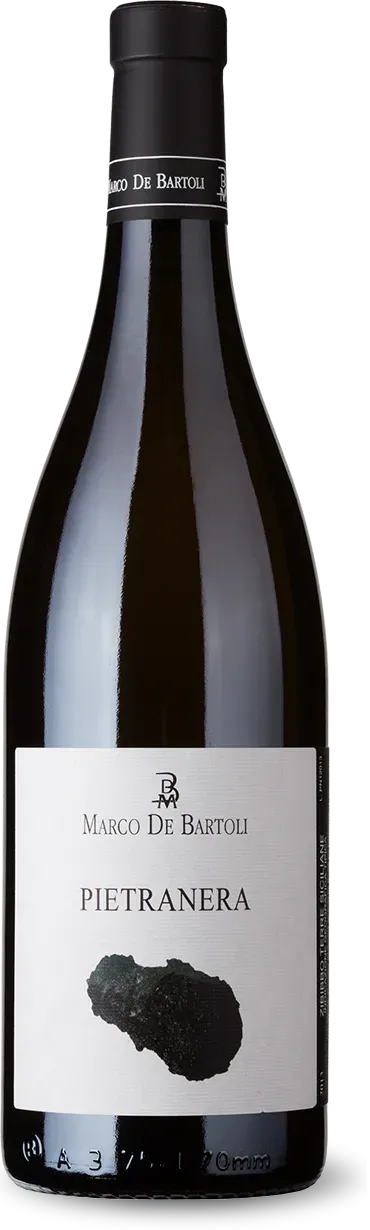
Thus, two complementary interpretations are born: Bukkuram, a traditional Pantelleria passito wine, and Pietranera, a dry white wine from Zibibbo grapes that showcases a lesser-known side of this variety.
Two different wines, a single grape that tells the story of Pantelleria in all its complexity.
It was in Pantelleria that Marco De Bartoli bottled his first passito wine in 1984: Bukkuram, named after the district housing the winery.
Here, Zibibbo is processed according to an ancient and patient practice. A portion of the grapes is harvested in mid-August and left to dry in the sun for about three weeks, in drying racks enclosed by lava stone walls. The remaining portion stays on the vine until September, to produce the wine that will later receive the dried grapes.
After fermentation, the wine macerates for about three months with the dried berries, which release sugars and aromas. This is followed by a long aging in oak, approximately thirty months, which gives Bukkuram depth, balance, and longevity.
Thus, a passito wine is born that not only expresses the sweetness of Zibibbo but also its structure, acidity, and its ability to preserve the island’s agricultural landscape. Marco used to say that to obtain his Pantelleria passito, the August sun was essential: that’s where Bukkuram truly begins.
Also in Pantelleria, in 1989, Marco De Bartoli decided to take a different path. He selected Zibibbo grapes from vineyards located in the island’s higher and shadier areas, where the climate allows the grapes to maintain higher acidity and a more balanced sugar content.
It is in the Cufurà district, about 350 meters above sea level, with a northeast exposure, that Pietranera was born, the first dry white wine from Zibibbo grapes produced in Pantelleria.
With this wine, Marco reveals a lesser-known side of the island’s grape variety. Zibibbo is no longer just the passito grape, but also becomes a dry wine capable of expressing freshness, minerality, and the volcanic character of Pantelleria.
The name Pietranera evokes the island’s volcanic nature: the dark rock that surfaces in Pantelleria’s fields and characterizes the soils where Zibibbo grows. The label reproduces the shape of the island, the emerged part of an imposing volcanic edifice that rises about 2000 meters from the abyssal plain. Pantelleria is only the visible peak of this volcano: the black stone from which the wine originates.
From the Bukkuram estate come the wines with which Marco De Bartoli chose to tell the story of Pantelleria through Zibibbo, the island’s iconic grape variety.
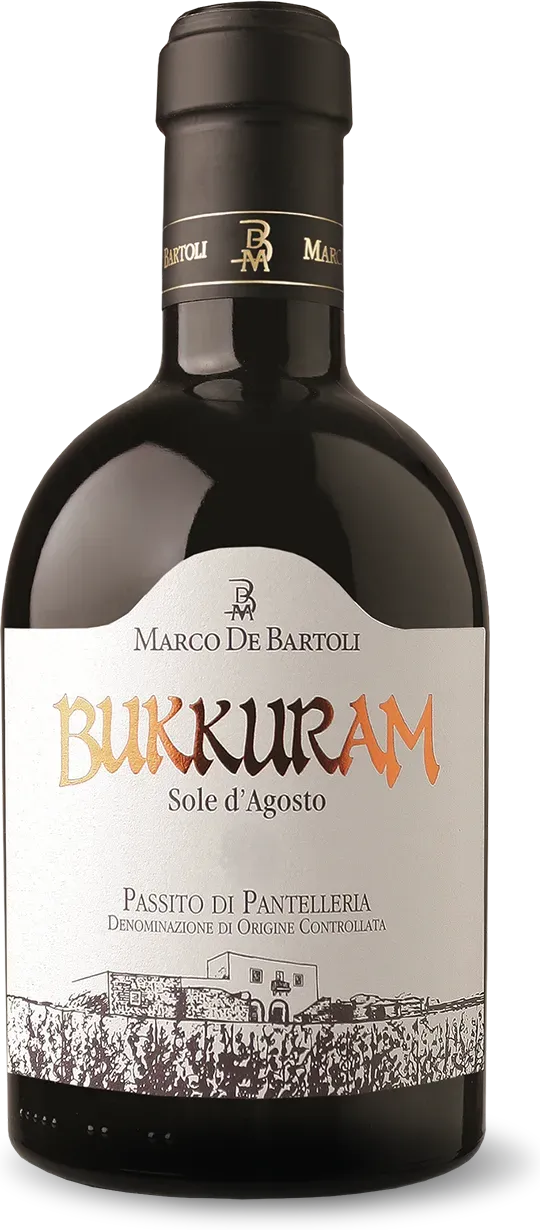
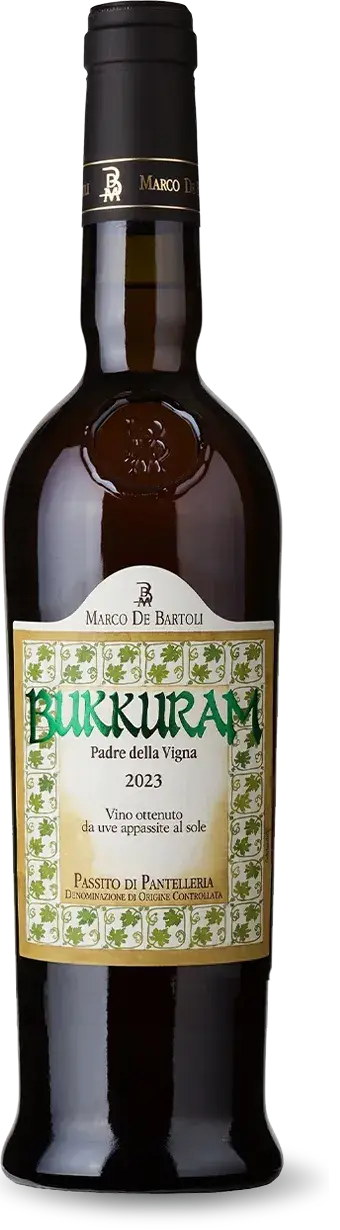
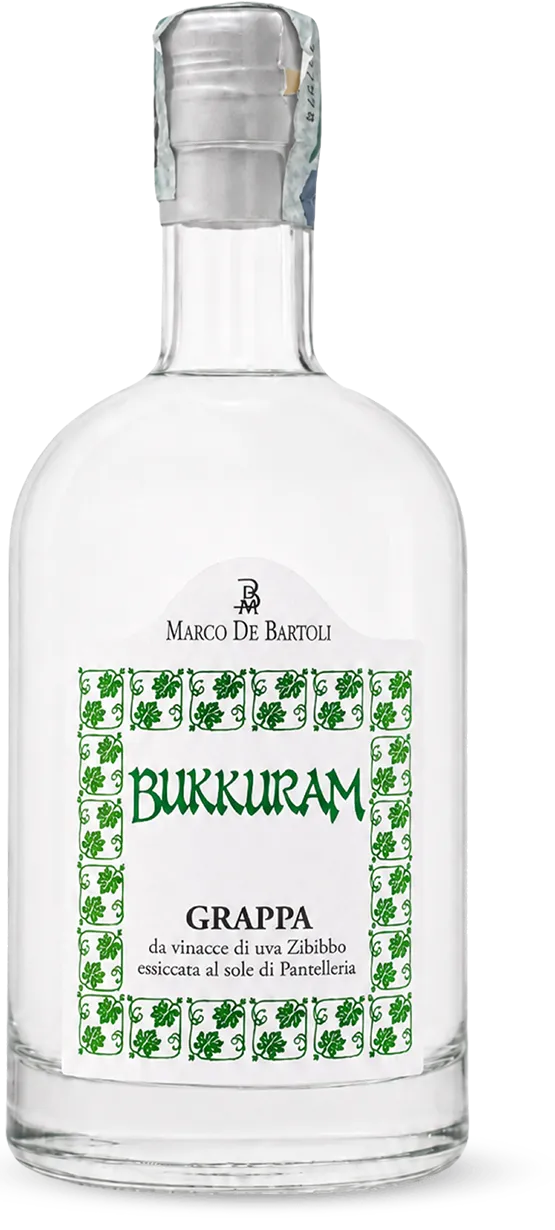
From Bukkuram Padre della Vigna, a passito wine obtained according to the Pantelleria tradition of sun-drying, to Bukkuram Sole d’Agosto, a selection that expresses the intensity of grapes harvested at the brightest moment of the season.
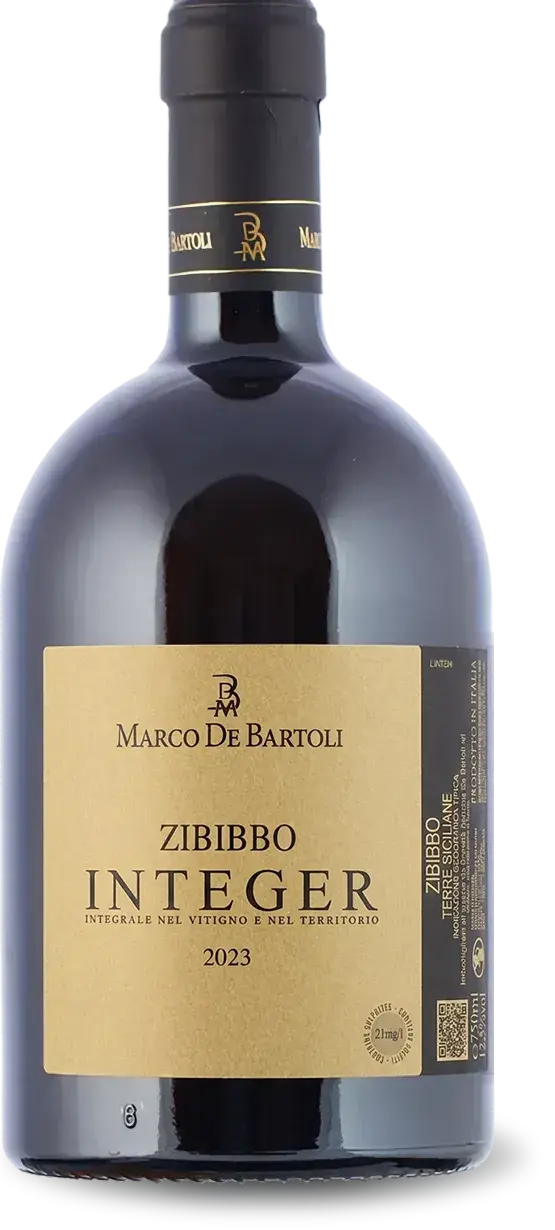
Alongside these wines, the dry interpretation of Zibibbo is also born with Pietranera, while Integer explores another expressive possibility of the grape variety.
Wines that are different from each other, but united by the same origin: the volcanic land, the wind, and the light of Pantelleria.
Tenuta Bukkuram, Pantelleria
12 HA
medium-textured sandy-limestone, flat
alberello and Guyot-trained vertical shoot positioning; 3,500 vines per hectare.
manual in small crates, during the final weeks of September.
Manual selection of grapes, soft pressing, natural sedimentation, traditional fermentation in oak and chestnut barrels at room temperature.
Aging in oak and chestnut barrels with the addition of 5% younger wine each year, using the traditional perpetual method.
8.600