Samperi Estate
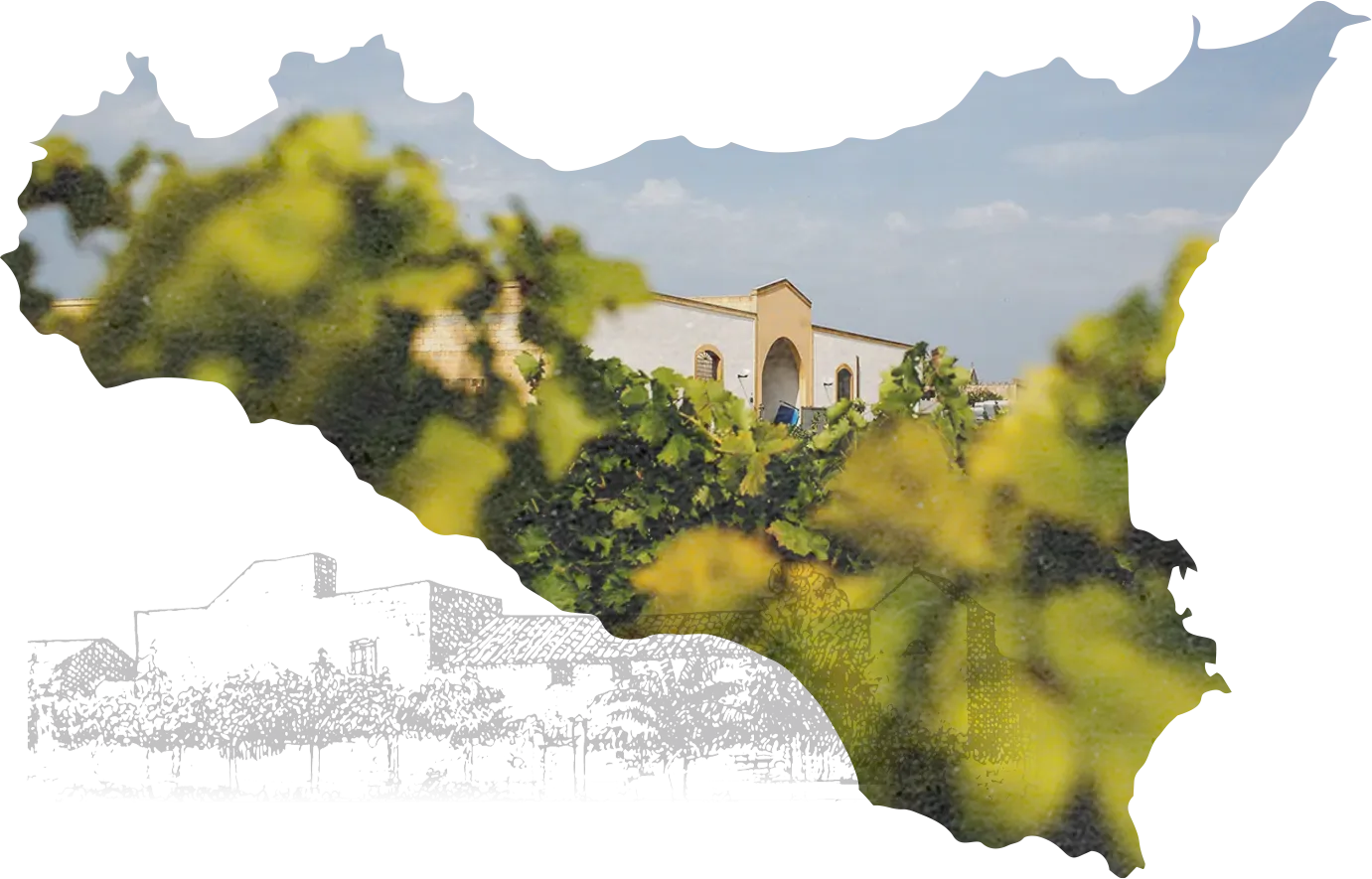
At the baglio of Contrada Samperi, owned by the family for over two centuries, a long tradition of Marsala viticulture is preserved. It was here, at the end of the 1970s, that Marco De Bartoli chose to start anew to restore Marsala wine to its territorial origins.
Samperi is located in the Marsala countryside, a few miles from the Mediterranean. A dry and calcareous land, rich in minerals, where vines have grown for generations and where Grillo has found one of its most authentic expressions.
From this place, Marco De Bartoli’s vision was born: to interpret the territory without simplifying it, respecting the natural rhythms of the land and working with manual skill, craftsmanship, and native grape varieties. Not a nostalgic return to the past, but a way to honor tradition while leaving room for the evolution of time.
Before Marsala became the fortified wine known worldwide, another way of making wine existed in the Marsala countryside. A wine born from local grapes that matured slowly in barrels, accompanied by time and oxygen.
It was the perpetuum: a system in which the wine did not belong to a single vintage, but to a continuity. There was no single vintage to preserve. The wine was kept in barrels and, year after year, renewed with small additions of new wine.
This was how Marsala wine was produced before international trade changed its nature. A wine of the territory, born to accompany the table and destined to mature slowly over time.
At Samperi, starting from the grape variety that most belongs to this land—Grillo—Marco De Bartoli chose to return to that ancient practice.
Not to imitate the past, but to bring the wine back to its territorial origin and the vocation of this place.
Thus, Vecchio Samperi was born, the first wine produced by the winery in 1980: a perpetual wine from Grillo grapes that recovers the memory of Marsala wine as it once was.
Grillo is the grape variety that, more than any other, belongs to the Marsala countryside. For a long time, it was cultivated almost exclusively as a base for Marsala production, valued for its structure and its ability to withstand time and oxidation.
At Samperi, Marco De Bartoli recognized a broader potential in Grillo: not just a grape for Marsala, but a variety capable of telling the story of the territory as a vintage white wine.
In 1990, Grappoli del Grillo was born, one of the first Sicilian wines produced as a monovarietal from this grape. A project that restored dignity to Grillo and revealed its character: structure, depth, minerality, and a surprising ability to evolve over time.
Since then, Grillo has become one of the keys to interpreting the Marsala territory. An austere and generous variety, capable of expressing the character of Samperi’s calcareous soil and the surrounding Mediterranean climate.
“Grillo is not just the Marsala grape. It is the variety that tells the story of Marsala.”
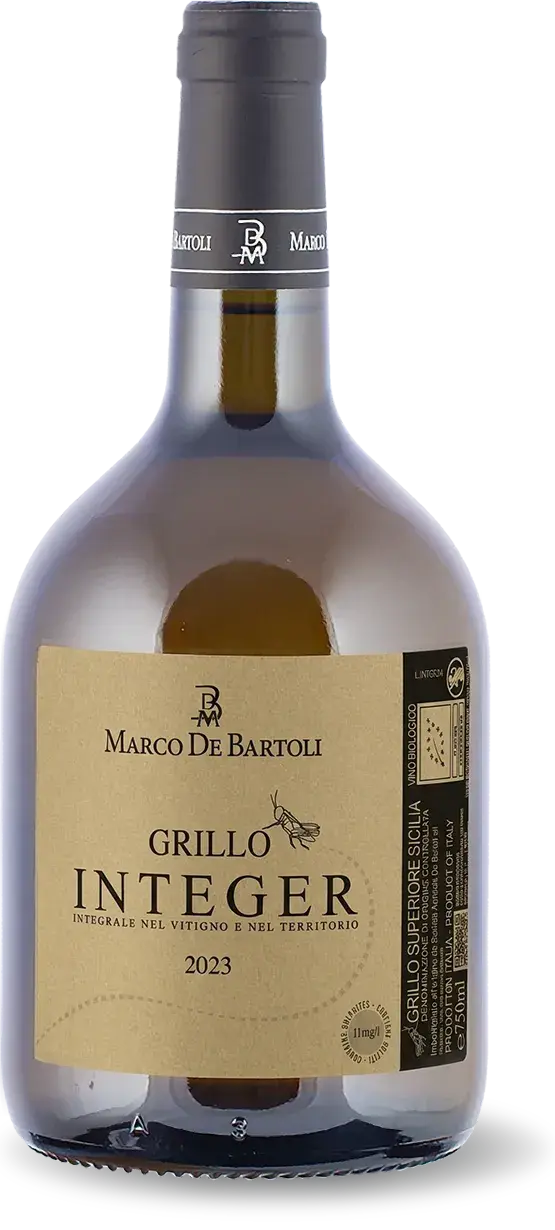
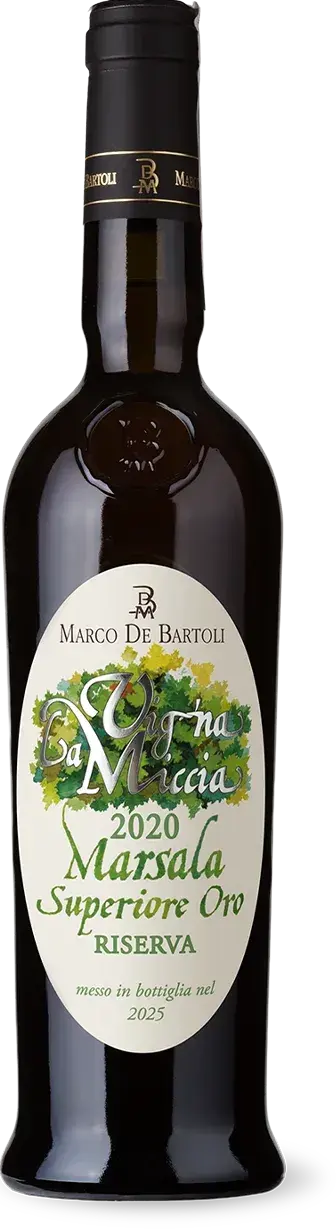
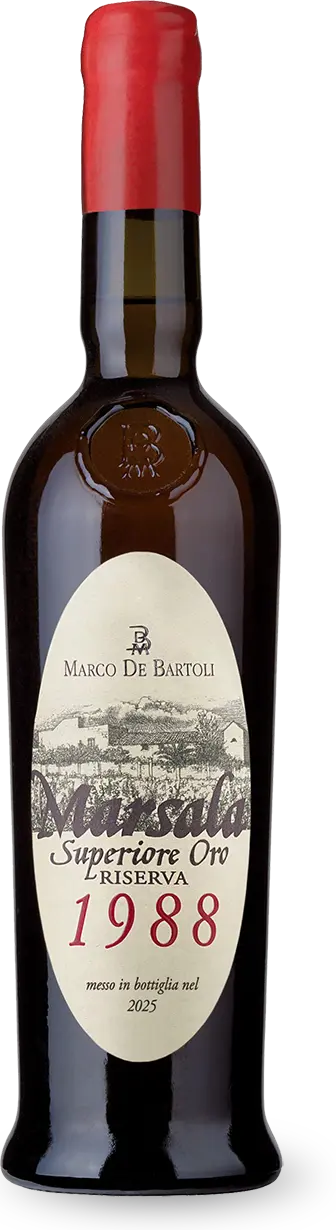
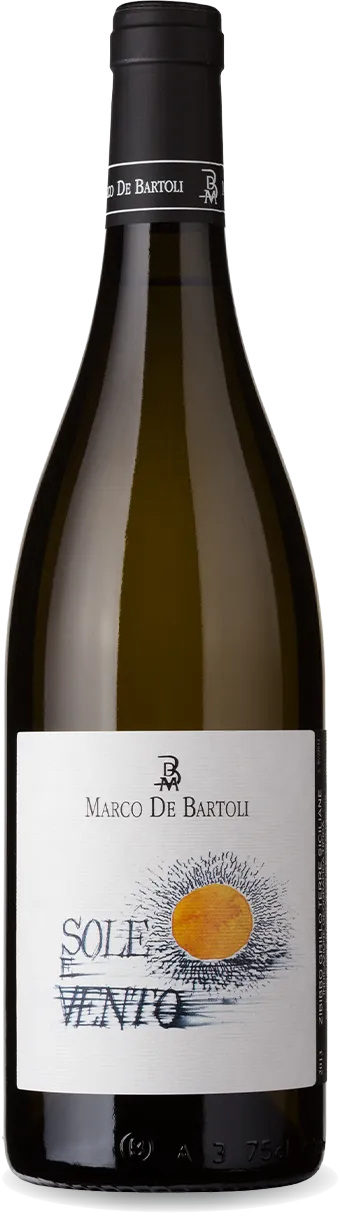
From the Samperi estate come some of the wines that best describe the Marsala territory. Starting from Vecchio Samperi, a perpetual wine and symbol of the enological memory of this place, to signature Marsalas like Vigna La Miccia and Marsala Superiore Riserva, personal interpretations of a historical tradition.
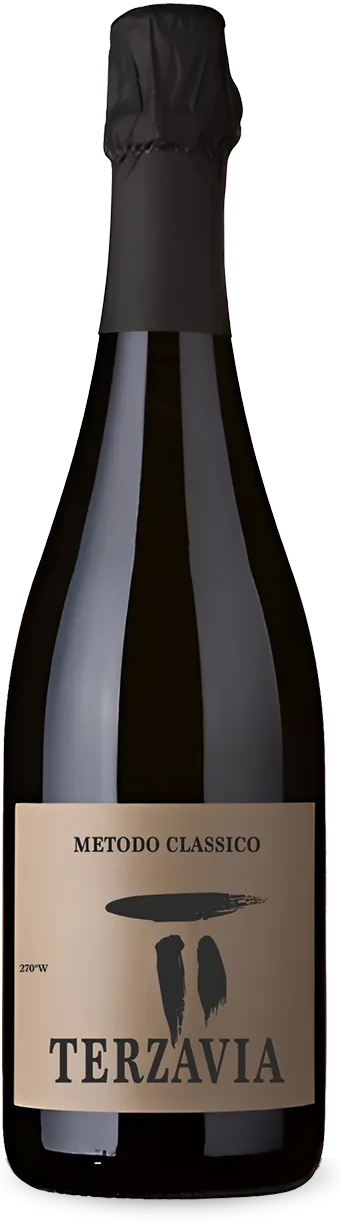
Alongside these wines, more contemporary expressions of Grillo are born, such as Grappoli del Grillo, one of the first Sicilian whites produced as a monovarietal from this grape, and Terzavia, a classic method sparkling wine that showcases another possibility for this grape.
Wines that differ from one another but are united by the same principle: interpreting the Marsala territory while remaining faithful to its origins.
In the Samperi cellar, the winery uses 416-liter Marsala pipes for the aging of its oxidative wines. These are traditional local barrels, still made today by Marsala manufacturers.
Their format historically derives from the Portuguese pipe, which had a capacity of about 500 liters. With the development of the Marsala trade between the late 18th and 19th centuries, the British adapted this container, reducing its volume to 416 liters, a measurement that allowed for precise fortification of the wine by adding two gallons of alcohol.
Over time, variants such as the half pipe, three-quarter pipe, and the so-called pipone of about 1,000 liters also spread, signaling the adaptation of containers to the needs of Marsala production.
It is precisely within these barrels that the perpetuo takes shape: the wine remains in the pipes and is renewed over time with small additions of new wine, keeping alive a continuity that spans the harvests.
The choice to use pipes built by local artisans reflects Marco De Bartoli’s vision: to preserve a technical tradition of Marsala while continuing to give it value in the present.
The agricultural landscape of the Marsala countryside is marked by numerous tufa quarries, excavated over the centuries to extract the yellow calcarenite used in local constructions.
From these quarries came the stone used to build many rural buildings, walls, and structures in the countryside between Marsala and its districts, including the Baglio.
Once extraction was exhausted, many quarries remained as large cavities in the ground, becoming an integral part of the agricultural landscape. Today, they tell a story parallel to that of viticulture: that of a land shaped over time by human labor, amidst vineyards, stone, and wind.
In this landscape of calcareous soils and ancient quarries, the cultivation of vines has developed for generations, finding one of its most suitable environments in these arid and mineral lands.
Tenuta Samperi, Marsala
Tenuta Samperi, Marsala
Tenuta Samperi, Marsala
Tenuta Samperi, Marsala
12 HA
medium-textured sandy-limestone, flat
alberello and Guyot-trained vertical shoot positioning; 3,500 vines per hectare.
manual in small crates, during the final weeks of September.
Manual selection of grapes, soft pressing, natural sedimentation, traditional fermentation in oak and chestnut barrels at room temperature.
Aging in oak and chestnut barrels with the addition of 5% younger wine each year, using the traditional perpetual method.
8.600