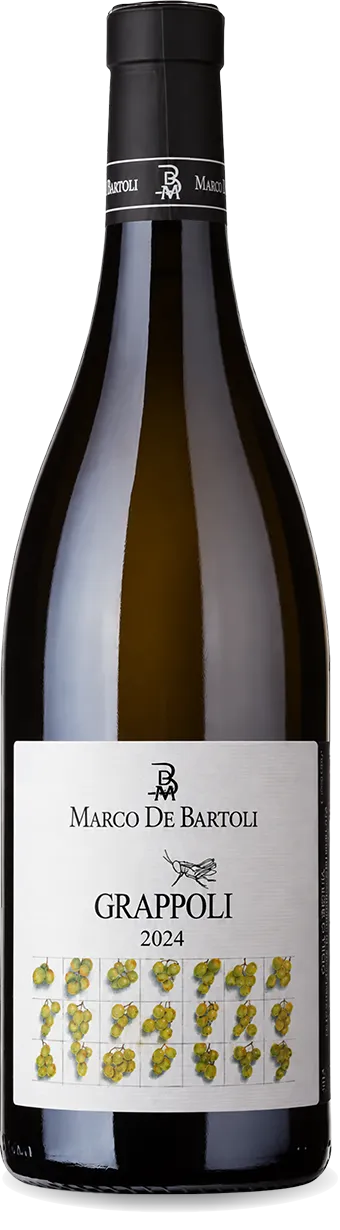
Grappoli 2024 continues the journey started with Grappoli del Grillo, one of the most representative interpretations of the Grillo di Samperi. With this vintage, the name and classification change, but the wine does not: the vineyard, the grape variety, and the production method remain unchanged.
It is born from 100% Grillo, manually selected and vinified between steel and French oak. Aging on its own lees accompanies the wine toward a structured, deep profile capable of evolving over time.
Western Sicily, Contrada Samperi
13% vol.
1991
Over 25 years
Calcareous, medium texture, tending to sandy, flat.
Training system: Guyot espalier; 3,500 vines per hectare.
Manual, last week of August.
Rigorous manual selection of grape bunches, soft pressing, and natural cold decantation of the must for 48 hours. The clear portion initiates fermentation with indigenous yeasts, initially in stainless steel and subsequently in French oak barrels.
12 months in French oak barrels of various sizes, on their lees with bâtonnage. This is followed by bottle aging.
For the 2024 harvest, Grappoli del Grillo presents itself simply as Grappoli and moves from DOC Sicilia to IGT Terre Siciliane.
The name and label change, while the Samperi vineyard, the 100% Grillo, and the vinification method remain unchanged. It is a specific look for this vintage, which continues the wine’s historical journey while maintaining its identity intact.
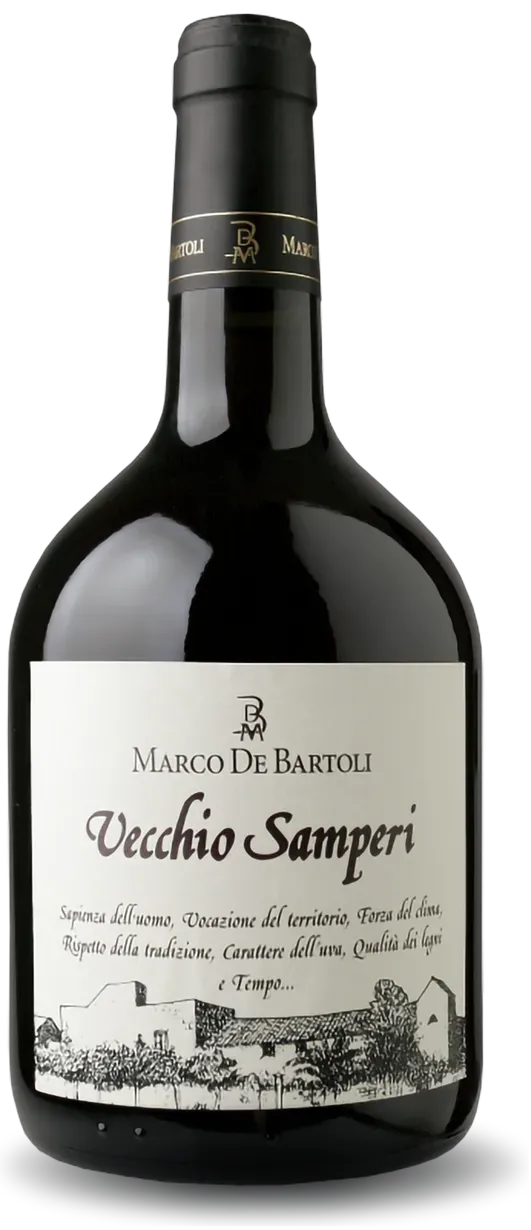
The estate is located in Contrada Samperi, twelve kilometers from Marsala, on calcareous and sandy soil that the Mediterranean wind sweeps across unimpeded. The baglio dates back to the late nineteenth century — thick walls, filtered light, the scent of aged wood already noticeable from outside. Around it, Grillo vineyards cultivated in the alberello system, as is the tradition of this land.
12 HA
medium-textured sandy-limestone, flat
alberello and Guyot-trained vertical shoot positioning; 3,500 vines per hectare.
manual in small crates, during the final weeks of September.
Manual selection of grapes, soft pressing, natural sedimentation, traditional fermentation in oak and chestnut barrels at room temperature.
Aging in oak and chestnut barrels with the addition of 5% younger wine each year, using the traditional perpetual method.
8.600